Walk past any supplement counter and you'll see protein numbers that sound almost medical — "3g per kg for maximum gains." For the vast majority of people training a few times a week, the real number is both simpler and lower than that.
The Actual Range
Research on resistance-trained individuals consistently lands in the same range: roughly 1.6–2.2 grams of protein per kilogram of bodyweight per day. Past that upper number, extra protein mostly gets used for energy rather than extra muscle — you're not getting a meaningful bonus, just a bigger grocery bill.
Where You Land Depends on Your Goal
- Fat loss: Aim toward the higher end, around 2.0g/kg — this protects muscle while you're in a calorie deficit.
- Maintenance or general health: 1.6–1.8g/kg is plenty for most people.
- Muscle gain: 1.8g/kg is well-supported — going much higher rarely adds extra benefit.
What That Looks Like on a Plate
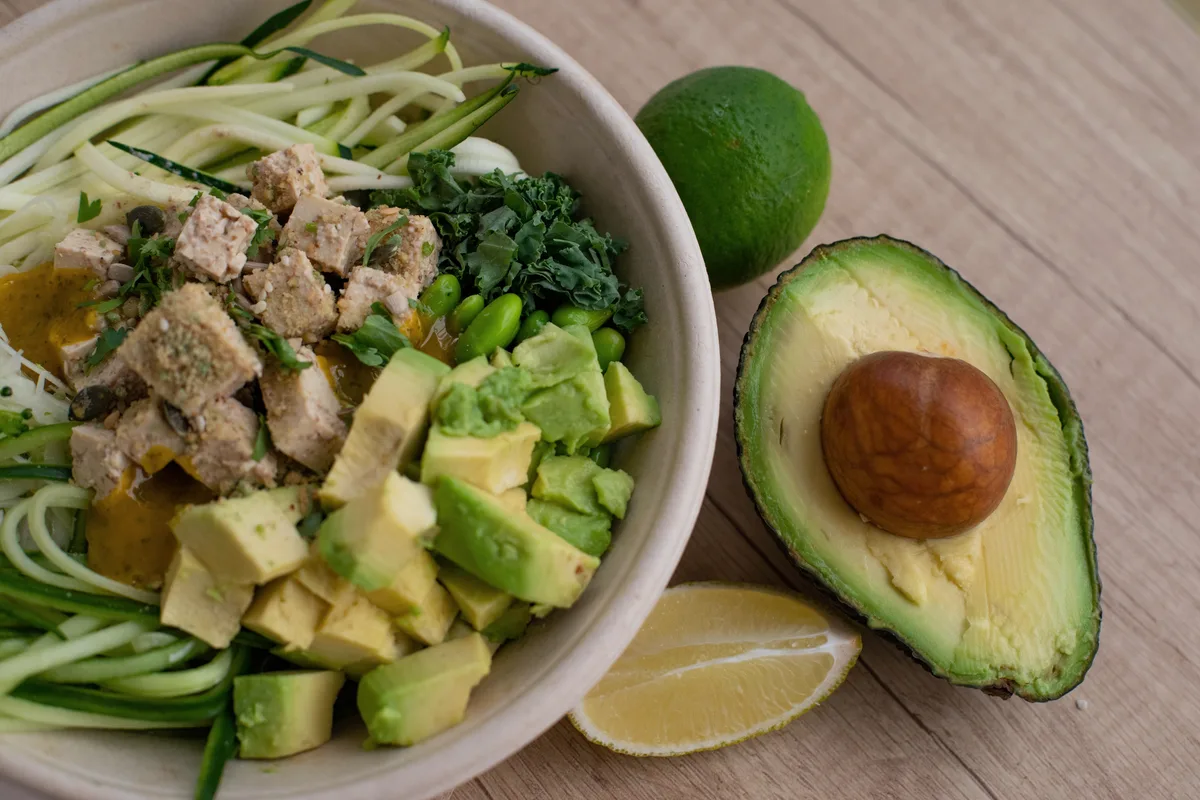
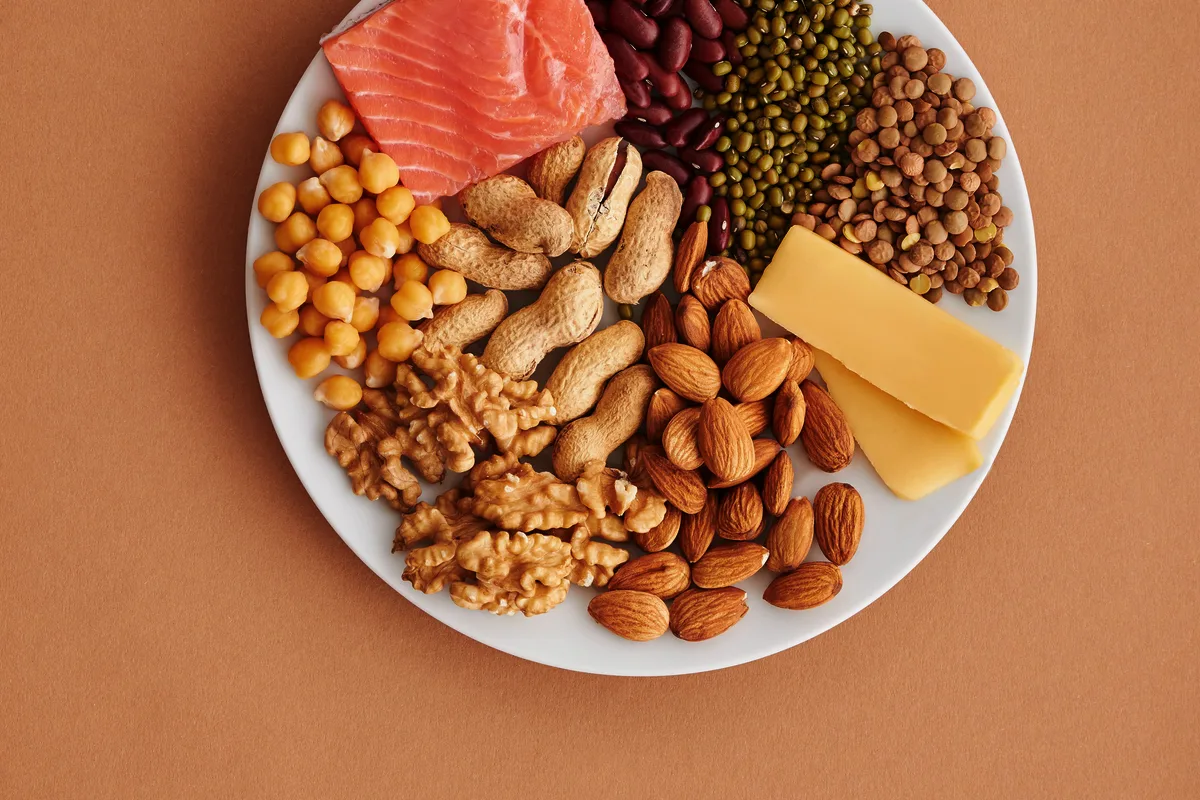
For a 70kg member aiming for 1.8g/kg, that's 126g of protein a day — roughly a palm-sized portion of dal, eggs, fish, or chicken at each of three to four meals. It's genuinely achievable with normal Bengali home cooking; it doesn't require shakes, though a scoop after training is a convenient way to hit the number on a busy day.
Don't Obsess Over Exact Timing
The old idea of a tiny "anabolic window" right after training has been largely walked back by more recent research. Total protein across the day matters far more than hitting a specific gram count within 30 minutes of your last set.
If you want your exact number instead of a general range, plug your weight and goal into our free calorie and macro calculator — it'll give you a protein target alongside your full daily calories.