Every strong lifter you've ever seen started exactly where you are now — unsure which machine to use first, worried about looking out of place, and not entirely sure what "progressive overload" even means. Here's what actually matters in your first month.
Start With Five Movements, Not Fifty
New members often try to hit every machine on the floor in one session. Don't. Your first month should revolve around five movement patterns: a squat, a hinge (like a deadlift), a push (bench or overhead press), a pull (row or pulldown), and a carry or core movement. Master these with light weight before adding anything else.
Form Comes Before Weight, Every Time
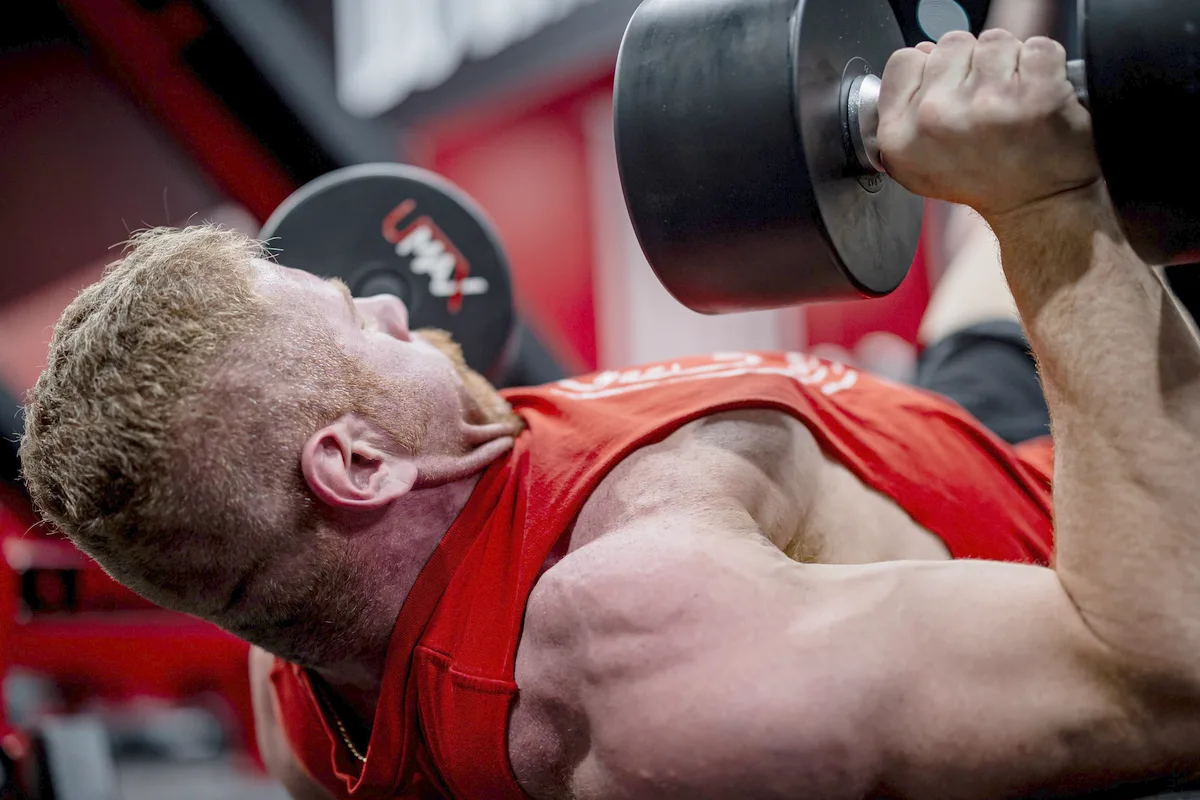
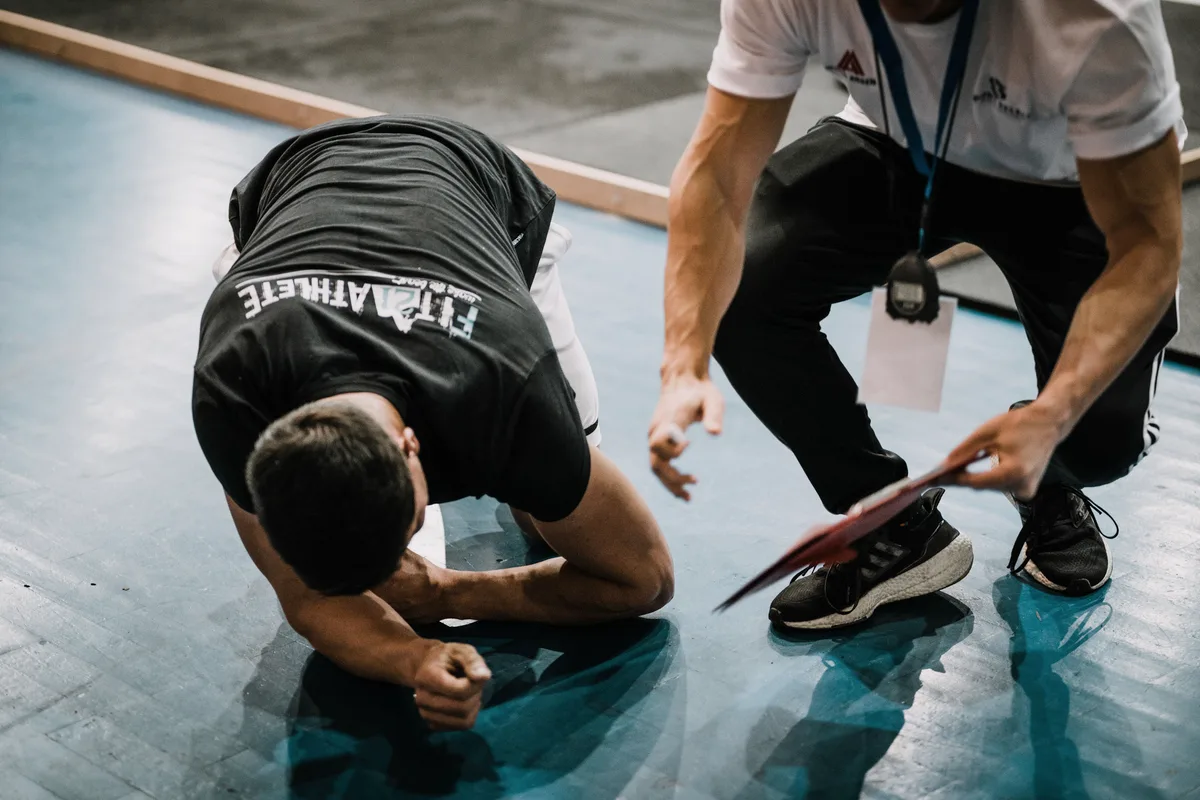
The biggest mistake we see isn't lifting too little — it's adding weight before the movement pattern is grooved in. A squat with 20kg and perfect depth builds more long-term strength than a squat with 40kg and a rounded back. This is exactly why every session at Evolve Up Fitness is supervised: a trainer will stop you before a bad habit becomes a bad injury.
Three Sessions a Week Beats Seven
You don't need to train every day to see results. Three structured full-body sessions a week, with a rest day between each, is enough to build real strength in your first few months — and it's far easier to stick with than an ambitious daily schedule that burns you out by week two.
- Week 1–2: Learn the five core movements with light, controlled weight.
- Week 3–4: Add small, consistent weight increases once form is solid.
- Week 5+: Start tracking your lifts so progress is visible, not just felt.
Expect to Be Sore — Don't Expect to Be Broken
Muscle soreness two days after training is normal and fades as your body adapts. Sharp pain during a lift is not normal — stop, and tell your trainer. Learning the difference between the two is one of the most useful skills a beginner can build early.
The honest truth is that consistency beats intensity for at least your first six months. Show up, follow the plan, let your coach adjust the details, and the results follow.